
Thriving Through Turbulence: The 2026 Dealership Outlook


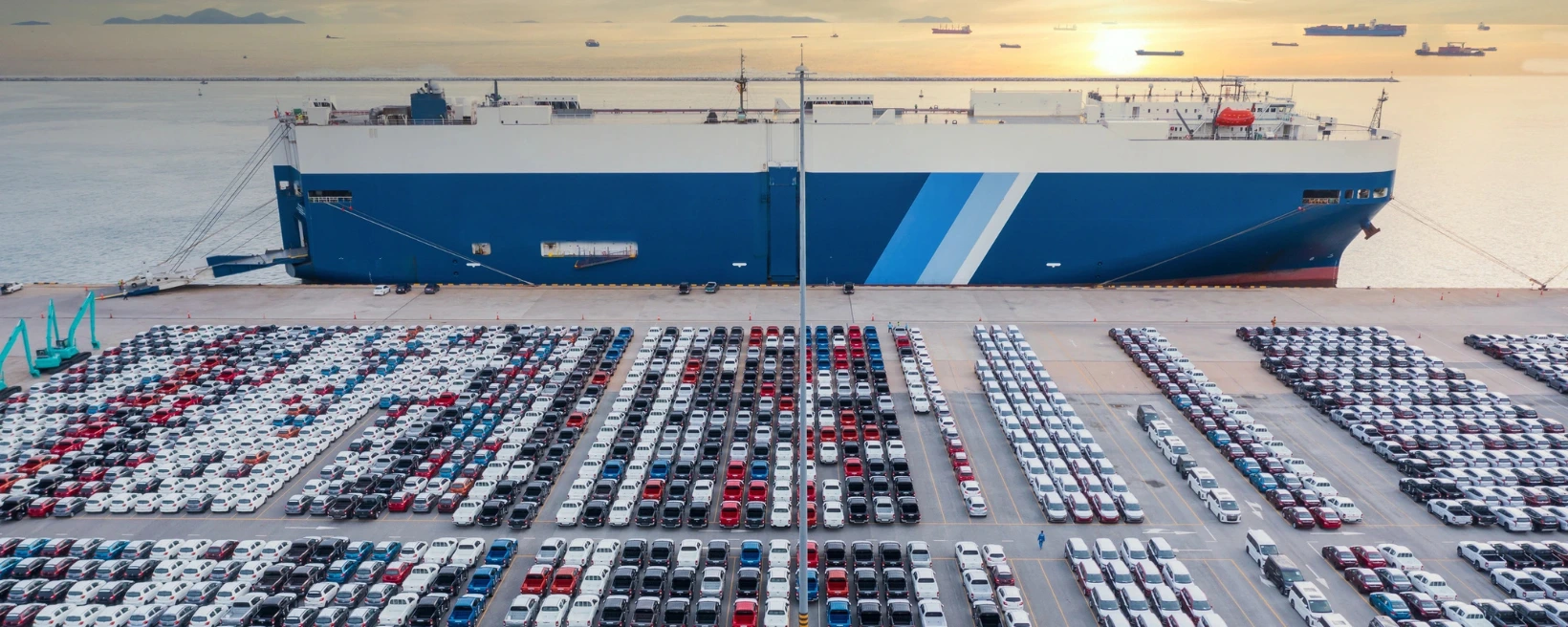
Dealerships are always changing, and 2025 saw the effects of key factors including normalization of gross profits, tariff hesitation, and tax law reform. In 2026, the industry must carefully navigate a market defined by stabilizing electric vehicle (EV) demand, rising interest in hybrid vehicles, affordability pressures, and heightened operational complexity. These forces will reward operators that adapt quickly, lean into data and technology, and rethink how they create value across sales, service, and acquisitions. At the same time, persistent tariff uncertainty and an active buy/sell environment will push leaders to take a more strategic, long-term view of capital allocation and risk.
Electric Vehicle Growth Stabilizes as Hybrid Demand Accelerates
The electric vehicle story for 2026 looks very different from the growth of prior years. Instead of subsidized expansion, EV demand is settling into a more measured trajectory as consumers reassess total cost of ownership, charging infrastructure, and model availability. Additionally, the One Big Beautiful Bill Act (OBBBA) phased out existing tax incentives including the clean vehicle tax credit (30D) and the qualified commercial clean vehicle credit (45W) for any vehicle acquired after September 30, 2025.
Hybrids are emerging as the “bridge” technology of choice, with analysts expecting stronger growth in hybrid sales relative to pure EVs in the near term. Shoppers who are wary of range, charging time, or resale value concerns with full battery electric vehicles often see hybrids as a practical compromise: better fuel economy and lower emissions without sacrificing convenience. For dealers, this shift has several implications: inventory mix must reflect growing appetite for hybrid trims, while sales and F&I teams need training to clearly explain hybrid value propositions around fuel savings, maintenance expectations, and warranties. Those who measure market feedback are hardly surprised by these changes but we are finally seeing manufacturers adapt and adjust the pipeline to actual market demand.
Operationally, service departments will need to deepen their expertise in hybrid systems while maintaining strong capabilities for both internal combustion engines (ICE) and EVs. Technicians will require ongoing training and specialized tools, including high-voltage safety protocols and diagnostic equipment for advanced powertrains. Forward-looking operators are coordinating with OEMs to ensure facilities and technicians are certified for a full range of powertrains, turning technical competence into a competitive differentiator.
AI Reshapes Fixed Ops and Service Lane Efficiency
In 2026, AI moves from a front-end buzzword into the operational center of gravity, especially in fixed operations and service lane management. While digital retail and marketing have already absorbed early AI experiments, the next wave of adoption focuses on shop scheduling, service capacity planning, and parts forecasting — areas where modest efficiency gains can translate into significant profit improvements.
AI-driven tools can optimize shop capacity by automatically matching job types, appointment times, and technician skills to reduce idle time and bottlenecks. Predictive algorithms can flag likely no-shows, recommend overbooking thresholds, and suggest follow-up times for deferred services, helping dealerships increase billable hours and smooth daily workflow. In the service lane, AI-enabled check-in tools that integrate license-plate recognition, telematics data, and vehicle history can surface high-probability repair and maintenance opportunities in real time.
Parts departments also benefit from machine learning models that refine stocking strategies based on historical demand, recalls, and regional trends, reducing obsolescence while improving fill rates. When integrated across fixed ops, AI becomes less about futuristic hype and more about practical gains: higher throughput, improved dollars-per-RO, and a smoother customer experience that supports long-term retention.
The effectiveness of AI, as always, depends on dealers’ ability to understand how it can help supplement procedures and technology already in place. In 2025, we saw experimentation and tech stack evaluation. In 2026, we expect machine learning to produce more measured and accurate results with the always front-of-mind emphasis on the customer experience.
Affordability Pressures Shift Market Demand
Affordability remains one of the defining headwinds for dealerships in 2026, as elevated vehicle prices and borrowing costs keep many consumers payment constrained. Affordability remains a key limiter on new-vehicle demand, even if interest rates ease modestly, due to household budget pressure from inflated costs of housing, insurance, and other living expenses. This reality is pushing more shoppers into the used market and deepening demand for subprime and near-prime financing solutions.
For dealers, this environment reshapes the growth playbook: new inventory may stay constrained but used-vehicle operations can become a primary profit engine. That requires tight control over sourcing channels including trade-ins, auctions, and direct-from-consumer programs along with fast, cost-effective reconditioning and data-driven pricing strategies that respond quickly to market shifts. Subprime and near-prime segments will continue to grow in relevance, but also carry heightened credit and regulatory risk, making lender diversification and robust F&I compliance training critical. A key provision of the One Big Beautiful Bill Act (OBBBA) has also given consumers who purchase qualifying new vehicles an AGI limited interest expense deduction on their personal returns, helping the new car segment for low- and middle-income buyers.
The service department can play a strategic role in the affordability equation by offering transparent maintenance menus, repair financing options, and value-focused service plans to keep cost-conscious customers engaged. By positioning the dealership as a long-term relationship in vehicle ownership rather than just a point of sale, operators can improve retention and increase lifetime value per customer, even as front-end margins face pressure. Many dealers are beginning to offer retail finance options at the counter which will help drive this business.
Private Buyers Lead an Active Buy/Sell Market
Despite macro uncertainty, the dealership buy/sell market is expected to remain robust in 2026, with private buyers, family groups, and regional consolidators driving much of the activity. Many operators still have capital to deploy after several profitable years and view acquisitions as a way to achieve scale, diversify brands, and expand into attractive geographies. At the same time, a cohort of aging owners is considering succession and exit timing, supporting a steady pipeline of potential sellers. We have also seen divestment from COVID era purchases in which points were purchased by willing sellers but don’t fit within the brand profile of larger dealers who are focusing on flagship brands.
Private buyers are often more flexible and entrepreneurial than large publics, sometimes pursuing smaller or rural stores, emerging brands, or turnaround opportunities that fall outside big group return thresholds. In this environment, local relationships, execution speed, and a credible operational plan can outweigh financial considerations in winning deals. For buyers, 2026 demands rigorous due diligence that goes beyond financial statements to include EV/hybrid exposure, local affordability dynamics, OEM facility requirements, and the health of fixed operations and leadership teams.
Sellers, meanwhile, benefit from early preparation: cleaning up financials, addressing HR or compliance issues, and investing in middle management can enhance valuations and attract a broader pool of bidders. Even dealers not ready to sell can benefit from acting “sale-ready,” as it often leads to better-run and more profitable operations in the interim.
Uncertainty Persists Due to Tariffs and Rising Costs
Tariffs and trade-policy uncertainty remain wild cards for 2026, particularly for dealerships selling imported brands or models with globally distributed supply chains. Shifts in tariff regimes can quickly ripple through wholesale prices, parts costs, and consumer demand, creating volatility that complicates forecasting and pricing. Combined with ongoing supply chain and logistics risks, these factors keep pressure on margins and working capital.
Dealers cannot control tariff policy, but they can improve resilience by tightening cost visibility and scenario planning. Understanding advertising efficiency, floorplan costs, reconditioning spend, and incentive dependency allows owners to respond more quickly when costs move. Proactive communication with original equipment manufacturers (OEMs) and distributors is also essential to anticipate potential changes in vehicle pricing, allocation, or incentive structures tied to policy shifts.
Strategic inventory management will matter as well: overexposure to models vulnerable to tariff changes can be risky, while under-investment in domestically produced or less exposed lines may mean missed opportunities. Scenario planning that models how different tariff outcomes affect gross, volume, and working capital can help leaders make more robust decisions and maintain stability through policy swings.
Positioning Dealerships for 2026 and Beyond
Across stabilizing EV growth, rising hybrid demand, AI-enabled fixed ops, affordability challenges, an active buy/sell market, and tariff uncertainty, a common theme emerges: 2026 will reward disciplined execution. Dealers that modernize their operations, manage risk thoughtfully, and align strategies with real-world consumer behavior will be better positioned than those pursuing every trend without a clear plan.
Actionable priorities include:
- Strengthening used and fixed ops as foundational profit centers
- Investing in AI and digital tools that genuinely enhance efficiency and customer experience
- Building flexible capital and succession plans in light of an active mergers and acquisitions environment
- Developing robust playbooks for navigating evolving policy and tariff shifts
Dealerships that maintain a clear, customer-centric value proposition will find opportunities for growth even as the landscape continues to evolve. To learn how Citrin Cooperman’s Dealership Industry Practice can help position your business for success, reach out to Philip Craft.
Citrin Cooperman's 2025-2026 Year-End Planning Guide for Dealerships

Latest Articles

The Hidden Cost of Spreadsheet Consolidation for QuickBooks Users
Read More

Getting EDI Right: Common Challenges in NetSuite Implementations
Read More
Visibility Powers Growth for Consumer Products Manufacturers
Read More

Don’t Take the Bait: Defending Against AI-Driven Phishing
Read More