
Why Priority ERP Is Built for Complex Manufacturing Environments
By Abby Witmer and Kris Shaw

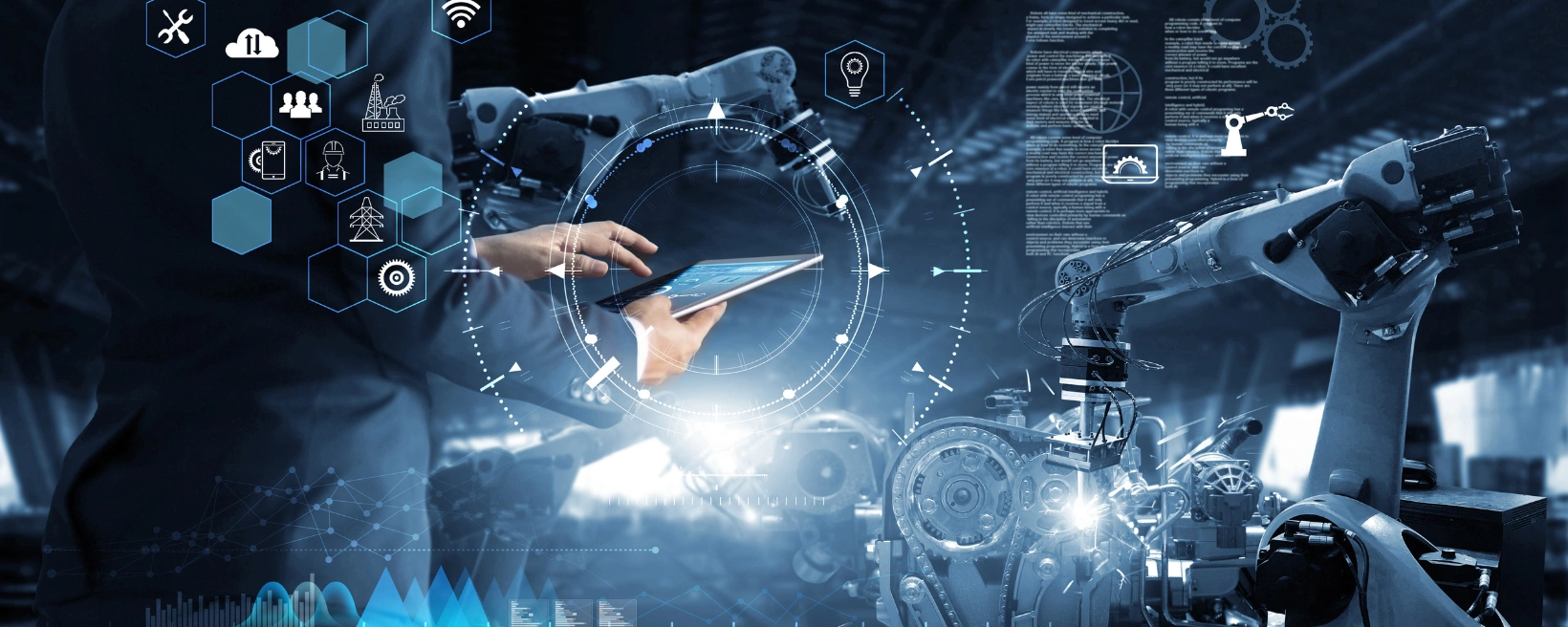
Manufacturing operations take many forms, and no two production floors operate in exactly the same way. Some organizations assemble complex products component by component, while others produce goods in large batches through carefully measured formulas. Whether the output is a precision engineered device or a chemical mixture, every product is supported by a distinct set of workflows, regulatory requirements, and operational challenges.
Modern enterprise resource planning (ERP) systems sit at the center of these environments, providing the structure and visibility needed to manage production efficiently. Among available options, Priority ERP stands out for its ability to support both discrete and process manufacturing with equal depth and flexibility.
This article explores the differences between these two manufacturing models and explains how the right ERP technology helps manufacturers succeed across each approach.
Discrete and Process Manufacturing Explained
Discrete and process manufacturing differ in how products are built, tracked, and managed. Understanding these differences is essential when evaluating ERP technology.
Discrete manufacturing focuses on producing distinct, countable items such as vehicles, electronics, furniture, and medical devices. Each finished product exists as an individual unit that can be identified, inspected, and traced throughout its lifecycle. Production is supported by structured bills of materials, defined work orders, and serial level traceability. This model also supports multiple production strategies, including make to stock, make to order, and engineer to order.
If a product can be counted as a single unit and disassembled into individual components, it typically falls under discrete manufacturing. Success in this environment depends on clear product structures, controlled assembly processes, and detailed tracking as materials move through production.
Process manufacturing, by contrast, produces goods that cannot be separated back into their original components. Instead of parts lists, production relies on formulas and recipes, with output measured in batches or continuous runs. This model is common in industries such as chemicals, food and beverage, pharmaceuticals, cosmetics, and coatings.
Process manufacturers require strict lot level traceability, strong quality controls, and adherence to regulatory standards to ensure consistent output. Maintaining uniformity across batches is critical, regardless of production volume or frequency.
Shared Requirements with Different Operational Priorities
While discrete and process manufacturing operate differently, both environments depend on accurate inventory control, effective scheduling, quality assurance, and real time data visibility. ERP systems support these shared needs, but the emphasis shifts based on how products are produced and managed.
A solution designed for modern manufacturing must adapt to these differences without forcing companies to compromise on functionality.
An ERP System Designed for Multiple Manufacturing Models
For many organizations, the challenge is not defining their manufacturing approach but finding a single ERP system capable of supporting it effectively. Priority ERP addresses this challenge by offering functionality tailored to both discrete and process manufacturing environments within one unified platform.
Discrete manufacturers benefit from tools that simplify complex product structures and keep production moving efficiently. Detailed bills of materials with version control help engineering changes flow seamlessly into operations. Clear visibility into work orders and routing ensures that every production step remains aligned.
Comprehensive traceability across serial numbers, batches, and storage locations strengthens quality control and improves responsiveness to issues. Flexible scheduling capabilities allow teams to adjust quickly to changes in demand or supply constraints. Together, these features help reduce lead times, optimize resource usage, and maintain full visibility from raw materials through finished goods.
Supporting Hybrid Manufacturing Environments
Many manufacturers operate in hybrid environments where discrete and process manufacturing coexist. Managing these mixed workflows with separate systems adds complexity and increases the risk of data silos. A unified ERP platform that supports multiple production models allows manufacturers to manage finance, inventory, production, and customer orders within a single system.
This consolidated approach improves coordination across departments, increases data accuracy, and supports faster, better informed decision making throughout the organization.
Why a Modern ERP Approach Matters
Whether a facility assembles intricate components or produces material by the ton, the core objectives remain the same: improve efficiency, reduce waste, and enable smarter decisions. A modern ERP platform like Priority ERP supports these goals by centralizing operational data, automating routine processes, and delivering real time insights that leadership teams can act on immediately.
Manufacturing is not a one size fits all industry. ERP technology must reflect that reality by adapting to the specific needs of each production model while maintaining consistency across the business.
Why Expertise Matters Beyond the ERP Platform
Selecting the right ERP system is only part of the journey. Long-term success depends on guidance from a Priority ERP team that understands both manufacturing operations and the systems that support them. With experienced oversight, the platform is configured, implemented, and supported to match real world processes and long-term business objectives.
Manufacturers that work with an experienced Priority ERP provider gain more than software. They gain the expertise needed to transform ERP capabilities into measurable operational and financial results
Latest Articles

Visibility Powers Growth for Consumer Products Manufacturers
Read More

Don’t Take the Bait: Defending Against AI-Driven Phishing
Read More

The Bait Got Better: How AI Is Changing Phishing
Read More

Modification and Extension of Limitation on Excess Business Losses of Noncorporate Taxpayers
Read More